
Latest News
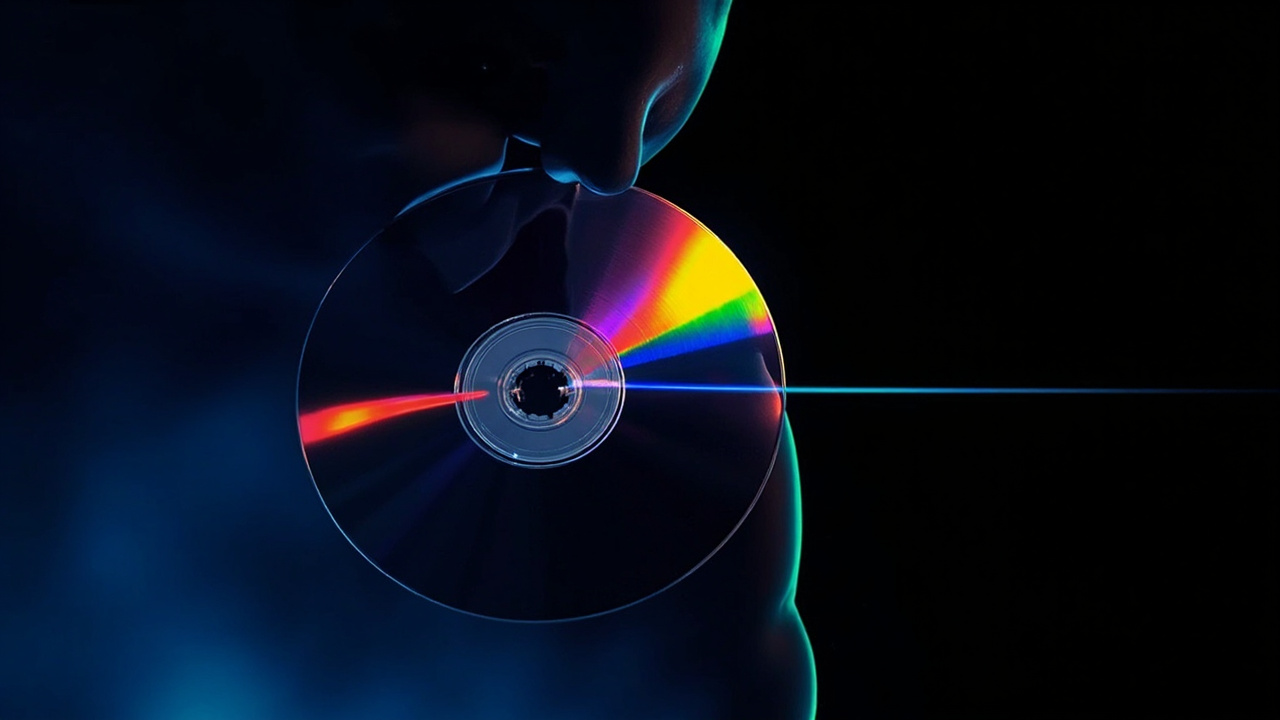
That Crinkled CD in Your Body: Why Harvard's Most Provocative Scientist Thinks Aging Is Like a Scratched Disc
<p>Harvard geneticist David Sinclair has a wild idea: aging isn't about your body breaking down—it's about your cells forgetting who they are. And he might just be onto something that could change everything we thought we knew about getting old. I remember the first time I heard someone compare aging to a scratched CD. I laughed it off as one of those oversimplified science analogies you see in clickbait articles. But then I learned more about David Sinclair, and now I'm not so sure we should be laughing. Sinclair, who's been called one of the most influential people in longevity science, has spent decades trying to answer one very specific question: what actually causes us to age? Not just the wrinkles and the gray hair, but the fundamental breakdown of our cellular machinery. And his answer is genuinely thought-provoking: our cells aren't dying—they're forgetting their instructions. ## Your DNA Is the Music, But Something's Scratching the Disc Here's the idea in plain English. You've got DNA in every cell of your body—it's the instruction manual for everything you are. But DNA doesn't do anything on its own. It needs a reader to interpret those instructions and tell the cell what to do. That reader is called the epigenome, and according to Sinclair, it's the real story behind aging. Think of it like this: your DNA is a pristine music CD. Your epigenome is the CD player. Now imagine you've been playing that CD for 50 or 60 years, and it's accumulated scratches and scuffs. The music is still on the disc, perfectly intact—but the player keeps skipping. It can't read the music properly anymore. The song is still there; the player just can't access it correctly. This is Sinclair's "unified theory of aging," and it's a big deal because it suggests that aging isn't about permanent damage to our genetic code. It's about our cellular instruction-managers losing their way. ## The Wild Part: Your Cells Don't Actually Know They're Old Here's what really got me. According to this theory, when a liver cell or a brain cell starts acting old and sluggish, it's not because the cell itself has "aged." It's because the reader (the epigenome) has gotten so scrambled from years of damage and repairs that it can't properly access the genes that tell the cell how to be a liver cell or a brain cell anymore. The genetic instructions are still perfect. The cell just can't read them. This is where things get really interesting. Remember Dolly the sheep? The first cloned mammal? Well, scientists took DNA from an old sheep and put it into a new cell, and that cloned animal came out young. If aging were about DNA damage accumulating over time, that shouldn't happen. But it did—because the DNA itself wasn't the problem. The operating system was. This is the insight at the heart of Sinclair's work, and it's why so many scientists take him seriously even when his ideas sound like science fiction. ## So Can We Fix the Scratches? This is where the rubber meets the road. And here's where Sinclair's lab did something genuinely remarkable. In a study published in Nature, his team took old mice with damaged optic nerves—animals that had essentially lost their vision—and they found a way to essentially "clean the scratches" off their cellular CD player. They used gene expression techniques to reset the epigenome of these cells, basically telling the reader to go back to its original instructions. The results? Blind mice regained their sight. Damaged optic nerves regrew. In an adult nervous system that scientists had long assumed was permanently broken, they witnessed something that shouldn't have been possible. Let me be clear: this was in mice. We are not mice. What works in a petri dish or a rodent doesn't always translate to humans, and the path from mouse experiments to human treatments is long and full of very expensive failures. But still. This is the kind of result that makes scientists sit up and pay attention. ## The Reality Check Now, I want to be honest with you here because I'm a little tired of science coverage that gets everyone amped up over mouse studies only to ignore the thousands of failed human trials that follow. Nir Barzilai, who's director of the Institute for Aging Research at Albert Einstein College of Medicine, gives Sinclair's theory high marks—"first" among current aging theories. But Barzilai is also careful to point out that epigenetics isn't the whole story. Radiation, metabolism, diet—all of these can cause aging-related damage that's independent of the epigenome. Aging is complicated, and no single theory explains everything. Sinclair himself is refreshingly honest about this. He doesn't think anyone's living forever anytime soon. He doesn't have a secret pill. His own anti-aging recommendations? Exercise. Eat your vegetables. Don't smoke. Groundbreaking, right? Except here's the thing: when a world-renowned longevity scientist gives you essentially the same advice your grandmother would give you, maybe we've been underestimating the basics all along. ## The Stressed Plants Thing One quirky detail I love: Sinclair actually prefers to eat plants that have been grown under stress—those that were slightly undernourished as they developed. His reasoning is that mild stress activates anti-aging responses in plants, and by extension, maybe in us when we eat them. It's the kind of detail that sounds like a fortune cookie but might actually have some science behind it. Caloric restriction and mild environmental stressors have shown longevity benefits in various studies. Whether eating "stressed" vegetables will extend your life by meaningful amounts? Nobody knows for sure yet. But I do love that in a field full of gene therapies and cutting-edge biotechnology, one of the most credible voices still says "eat your broccoli and take the stairs." ## What Does This All Mean for You? Here's my take as someone who's spent way too much time reading about longevity science: The exciting part of Sinclair's work isn't that there's a miracle cure around the corner. It's that aging is increasingly being understood as something dynamic—something that cells might actually have the capacity to reverse, at least partially. We used to think aging was like watching an hourglass empty. Now we're wondering if it's more like defragging a hard drive. That's a fundamentally different way of thinking about the later decades of life. But here's what I think gets lost in all the exciting headlines: we don't need to wait for gene therapies to start thinking differently about aging. The things we know work—exercise, good food, avoiding smoking, managing stress—those aren't stopgaps until the "real" science arrives. They might actually be working on some of the same pathways that Sinclair is studying in his lab. So maybe the CD isn't so scratched after all. Maybe a little mindful living is enough to keep it playing the music for a good long while. Source: https://www.popularmechanics.com/science/health/a71422623/aging-bodies-can-remember-how-to-be-young</p>
Scientists Just Built a New State of Matter in a Lab — And It Could Change Everything We Know About Quantum Tech
<p>Researchers have figured out how to create and stabilize an exotic state of matter that was previously only theoretical — and it happens to work at room temperature, which is kind of a big deal for quantum technology. Using specially engineered silver nanoparticles, they've basically caught a "missing link" in how crystals transform between different structures, and the material they created does some pretty wild things with light. Okay, I need to be honest with you — I don't think any of us truly appreciate how wild this latest discovery is. Let me explain. Scientists from Brown University and the University of Michigan have just done something that sounds like it belongs in a sci-fi movie. They've created a state of matter that, until now, was only a prediction in theoretical models. This isn't just some incremental improvement or a small tweak to existing technology. This is genuinely new territory. ## So What Exactly Did They Make? The researchers were playing around with tiny silver particles — really, really tiny ones, at the nanoscale. They shaped these particles into a specific geometry they call "mecons," which are basically truncated octahedrons (fancy science speak for "a diamond-like shape with its corners chopped off"). Think of it like a 14-sided die. Here's where it gets interesting. These mecons can pack together in different ways, and the team figured out how to coax them into a structure that's normally super unstable — an intermediate state that appears when materials transition between two common crystal arrangements (called FCC and BCC, if you want to get technical). "What's so special about that?" you might ask. Well, these intermediate states are like the crystal equivalent of a teenager going through puberty — they exist for just a split second and then transform into something else. Scientists have theorized about them for decades but could never actually catch them in action because they're gone so fast. The team essentially froze time (okay, not literally, but you get the idea). They used special molecular coatings on the particles that acted like connectors, kind of like giving each nanoparticle its own little velcro suit. This let the particles lock together in exactly the right configuration to stabilize those fleeting transitional structures. ## It's Like Nanotech LEGO One researcher described the work as "a little bit like kids playing with LEGO blocks," and I love that analogy. We're literally building new materials from the bottom up by assembling engineered nanoparticles into structures that don't exist anywhere in nature. The researchers synthesized nanoparticles with varying degrees of "roundness" and then carefully controlled how they assembled. The molecular coatings were crucial — they gave the particles enough flexibility to shift around but still fit together snugly. One scientist described them as "hairy particles," which is both weird and surprisingly accurate. ## The Quantum Secret: Room-Temperature Magic Now here's where things get really exciting. The assembled structures exhibited deep-strong light-matter coupling when exposed to light. In plain English? The electrons in those silver nanoparticles started oscillating in perfect sync with light waves and became quantum mechanically entangled. This is huge. Quantum optical effects like this typically require incredibly cold temperatures — we're talking near absolute zero, the coldest temperature possible. That's because quantum states are incredibly fragile, and thermal energy usually disrupts them. But this new material shows these quantum effects at room temperature. Just regular old room temperature, like your living room. Let me say that again because it's worth emphasizing: quantum behavior that usually needs supercomputers-style refrigeration just... works in this material at normal temperatures. ## Why Should You Care? This discovery has massive implications, especially for quantum computing and quantum information technologies. Right now, one of the biggest challenges in building practical quantum computers is maintaining quantum states, which typically require extremely controlled, cold environments. If we can create materials that maintain quantum properties at room temperature, that's a game-changer. We're talking about potential applications in: - Quantum computing hardware - Advanced sensors - New types of optical devices - Data processing technologies Beyond the practical applications, this research also represents a fundamental breakthrough in our understanding of how materials transform. For the first time, scientists can actually see those intermediate structures that were previously invisible, which gives us greater control over nanomaterials engineering. ## The Bottom Line This isn't just another incremental scientific discovery. The team successfully bridged the gap between theoretical predictions and real-world materials, stabilized structures that were thought to be impossible to observe, and created something with remarkable quantum optical properties — all at room temperature. Whether this becomes the foundation for next-generation quantum technology or simply deepens our understanding of materials science, one thing is clear: we're entering an era where we can literally design matter from scratch and make the impossible possible. That's pretty cool if you ask me. --- <em>Source: <a href="https://www.sciencedaily.com/releases/2026/05/260529043638.htm">ScienceDaily</a></em></p>
How Ancient DNA Is Rewriting the Story of Europe's First Farmers (And the Surprising Role of Women)
<p>Ancient DNA analysis is revealing that Europe's prehistoric settlement story is far more complex and fascinating than we imagined — and women may have been the key agents of cultural change, carrying farming knowledge across communities through marriage and social connections.</p>
The Sleep Hormone That Might Help Fix Your DNA (Yes, Really)
<p>Melatonin could do more than just help you fall asleep — a new study suggests it might supercharge your body's ability to repair DNA damage, especially for those working the night shift.</p>
Your Future Gadgets Might Stack Their Circuits Like Skyscrapers — And Intel Should Be Thrilled
<p>Scientists have figured out how to build computer chips in 3D instead of just making them flatter. This could keep your devices getting faster for years to come, using a clever workaround when the laws of physics started saying "no more."</p>
This Simple Juice Combo Cut Inflammation in Just Four Weeks — Here's What That Could Mean for Your Health
<p>A new study found that drinking tomato-soy juice daily significantly reduced inflammatory markers in adults with obesity after just four weeks. The research, conducted at Ohio State University, highlights how functional foods could become a powerful tool for managing chronic inflammation without medication.</p>
Your Morning Coffee Might Be Fixing More Than Just Your Tiredness
<p>That cup of joe you're reaching for after a rough night's sleep might be doing your brain more favors than you realized. New research reveals that caffeine can actually restore specific memory functions that get disrupted when we don't get enough rest—and it does so in a surprisingly targeted way.</p>
Scientists Just Made Quantum Computing Way Less Annoying — And That's a Big Deal
<p>Stanford researchers have figured out how to make quantum computers work without the extreme cold that usually makes them so impractical. Their secret? Twisted light and some seriously clever nanotechnology that could bring quantum tech out of the lab and into the real world.</p>
The Real Reason This Hospital "Angel of Death" Was Finally Caught Will Blow Your Mind
<p>When a nurse named Efren Saldivar confessed to killing over 100 patients, investigators hit a wall—how do you prove murder years after the body decays? One brilliant forensic scientist turned to a technique originally designed for chemical warfare detection, and what happened next changed criminal science forever.</p>
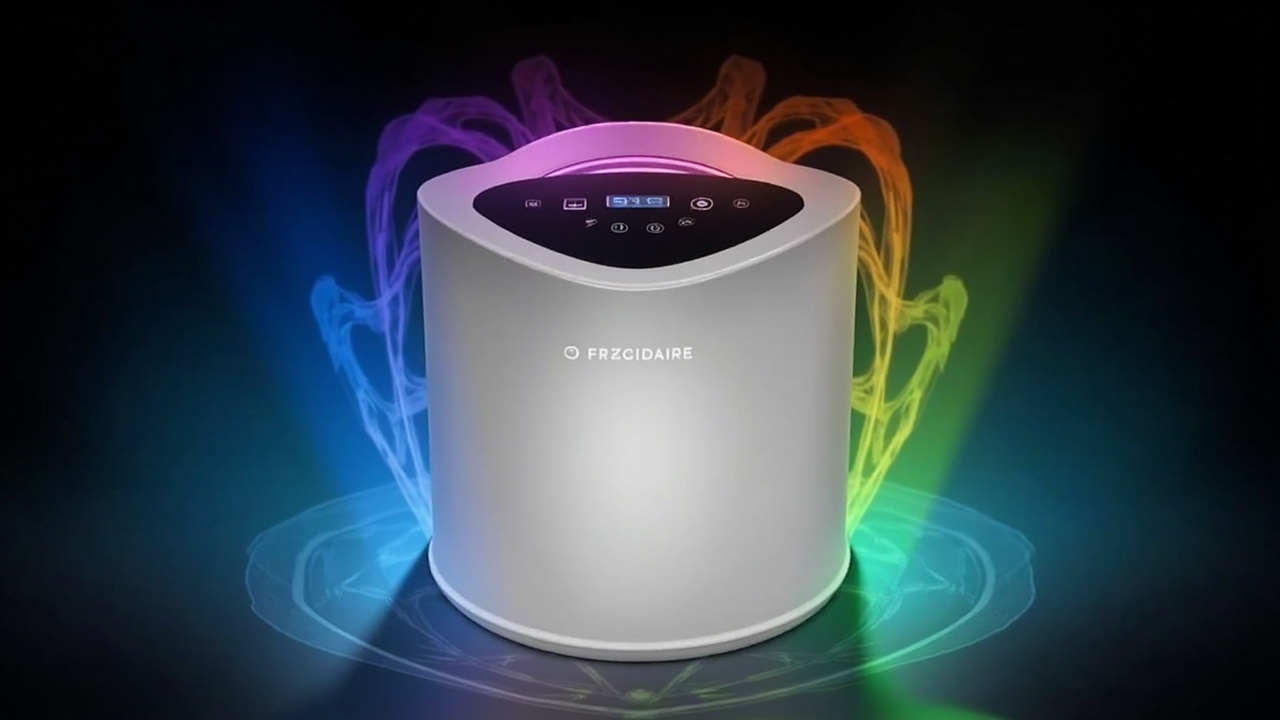
Why I Finally Stopped Buying Bags of Ice and Got This Countertop Machine Instead
<p>After years of frantically buying bags of ice every time we hosted friends, I took the plunge on a countertop ice maker — and honestly, I wish I'd done it sooner. Let me share why the Frigidaire EFIC189 has become one of my most-used kitchen gadgets.</p>

There's Literally a Hole in Your Vision Right Now — And Your Brain Is Lying to You About It
<p>You have a small gap in your vision right now that your brain completely fabricates without you knowing. Scientists are using this "blind spot" as a window into understanding what consciousness actually is — and the answers might blow your mind.</p>

Why This $130 Camp Chair Gave Me Major Buyer’s Remorse About My $230 Purchase
<p>I recently tested the REI Co-op Westward Padded Camp Chair and honestly? It made me question every camping chair I've ever bought. With a hidden cupholder, surprisingly comfortable padding, and backpack straps for hands-free transport, this chair might just be the sweet spot between comfort and value.</p>

The Underground Treasure Map That Could Change Everything (And Why You Should Care)
<p>Scientists have just created what essentially amounts to a treasure map for some of the most valuable materials on Earth—rare earth elements. The best part? The X marks the spot are hiding in places most of us have never even heard of.</p>
Why I Can't Stop Talking About This Air Purifier — It's So Quiet I Forgot It Was Running
<p>After testing the Sans Air Purifier for weeks, I'm convinced this might be the quietest, most effective air purifier I've ever used in my home. Here's why it earned a permanent spot on my floor.</p>
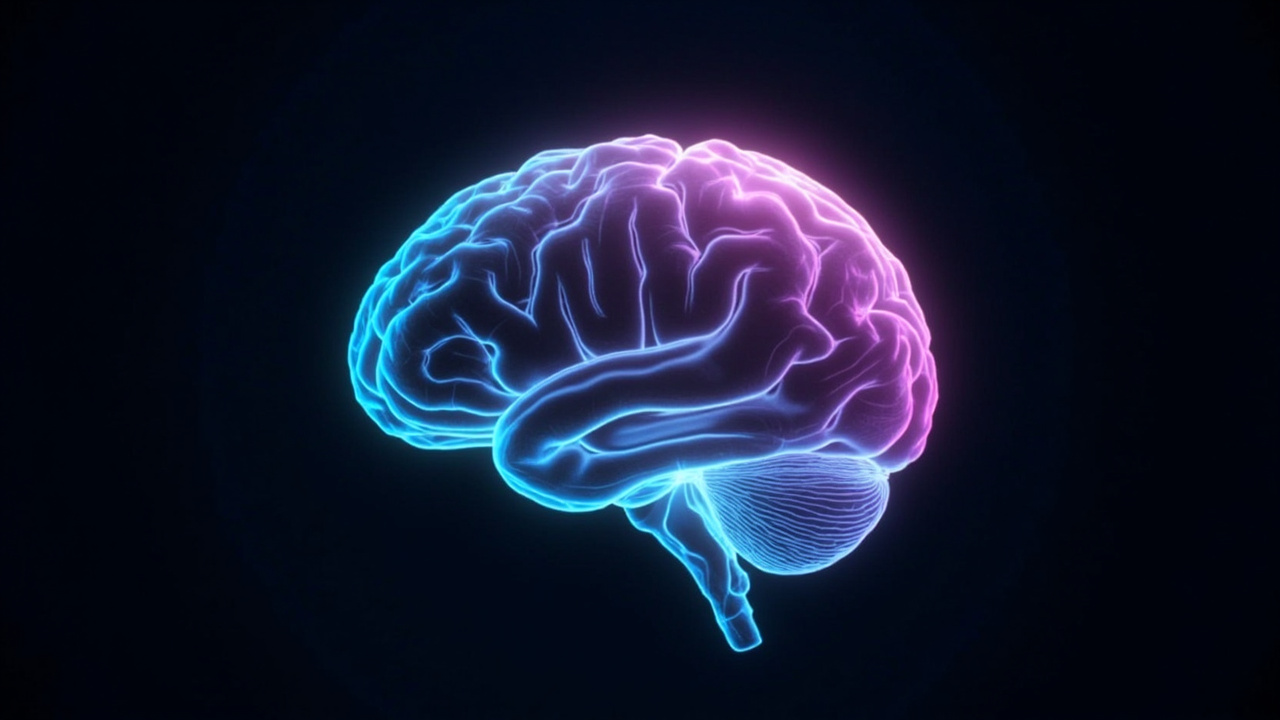
They Froze a Brain to -321°F and It "Came Back" — This Could Change Everything About Space Travel
<p>Scientists just demonstrated something that sounds like pure science fiction: they successfully froze a brain to temperatures colder than liquid nitrogen and brought it back. Before you dismiss this as another overhyped lab experiment, listen to why this one might actually matter for humanity's future among the stars. So here's a wild thought: what if the key to reaching distant worlds isn't a faster rocket, but putting humans to sleep for decades? I'm serious. And recent research is making this idea look less like pure fantasy than ever before. We've all seen cryosleep in movies. The crew climbs into sleek pods, frost forms on the glass, and they wake up centuries later on some alien planet, yawning and stretching like they just took a nap. It's a convenient plot device, sure. But scientists have actually been working toward making this real — and a new study just produced some genuinely jaw-dropping results. Researchers managed to take a brain, chill it down to -196°C (that's -321°F for my Fahrenheit friends), and then bring it back. Not perfectly, not yet, but the fact that any cellular structure survived at all is kind of a big deal. Here's the problem our bodies face: we're basically bags of water. And water, when you freeze it, expands. That expansion tears apart cells like tiny ice spears. It's why you can't just freeze a person and expect them to survive. Traditional freezing destroys everything. But these scientists used what's called vitrification — a process where tissues are frozen so quickly that water molecules don't have time to form ice crystals. Instead, they turn into a sort of glass-like state. It's the same technique being developed for preserving organs for transplant. The implications are staggering. Right now, the nearest star system — Proxima Centauri — is about 4.24 light years away. Even with our fastest spacecraft, a one-way trip would take tens of thousands of years. At those timescales, forget about humans; we're talking about carrying enough fuel, food, and supplies for generations of descendants. But here's where hibernation gets exciting. When animals like bears or ground squirrels hibernate, their metabolism drops by up to 95%. Their hearts slow, their breathing barely registers, and they survive on stored energy for months without eating. If we could induce a similar state in humans — a deep, controlled torpor lasting years or decades — suddenly those same journeys become feasible. The math gets interesting. Reduce metabolic needs by 90%, and you need 90% less food, water, and oxygen. Your spacecraft becomes a fraction of the size. Your mission costs drop dramatically. And here's the psychological benefit nobody talks about: the crew doesn't have to watch their entire lives pass by in transit. One sleep, one wake-up. Much easier to accept than watching centuries tick by while you watch your great-great-grandchildren grow old. The new research showing a frozen brain being revived moves us one step closer to this reality. It's not "human cryosleep" yet — we're talking about a small brain sample in controlled conditions. But every breakthrough in understanding how neural tissue survives extreme cold brings us closer to the day when someone might actually climb into a pod and drift toward another star. I've read about a lot of science that gets called "breakthrough," but this one genuinely gives me chills (pun absolutely intended). We've spent decades thinking of interstellar travel as a physics problem — building better engines, lighter materials, more efficient propulsion. Maybe the real answer isn't going faster; it's learning to slow down. What do you think? Is cryosleep the future of space exploration, or are we still in pure fantasy territory? I'd love to hear your thoughts — drop a comment and let's debate this cosmic question together. If you want to dive deeper into this research, check out the full coverage over at Popular Mechanics.</p>

The Best Gear We Tested This Year (And Why We're Still Obsessed)
<p>After a year of putting products through their paces in our lab, we found a handful that genuinely made us wonder how we ever lived without them. Here's the real scoop on what actually works.</p>
The Strange Tale of Germany's Only Aircraft Carrier (And Why It Never Stood a Chance)
<p>Nazi Germany built the Graf Zeppelin as a symbol of naval power, but this lone aircraft carrier became one of history's most fascinating military follies. Here's the story of how ambition, hubris, and poor timing combined to create a ship that was obsolete before it ever saw combat.</p>

Ready to Level Up Your BBQ Game? Here's Everything You Need to Know About Buying Your First Smoker
<p>If you've ever tasted that melt-in-your-mouth, smoke-kissed brisket at a friend's cookout and wondered "how do they DO that?" — you're in the right place. I'm breaking down everything you need to know about buying a smoker without making you want to throw your hands up in confusion. So picture this: it's a lazy Sunday afternoon, and you're standing in your backyard with a cold drink in hand, watching a beautiful rack of ribs slowly transform into something that makes your neighbors peek over the fence with hungry eyes. That, my friends, is the magic of smoking meat. And honestly? Once you go smoker, you might never go back to regular grilling. Let's talk about what's actually worth your money. <strong>Wait, What Exactly IS a Smoker?</strong> Before we dive into the good stuff, let's make sure we're on the same page. A smoker is basically a specialized grill that cooks food low and slow with indirect heat, using wood or wood pellets to infuse that gorgeous smoky flavor. Unlike your standard grill where you're blasting heat directly onto food, smokers surround your meat with consistent, gentle warmth and aromatic smoke for hours and hours. The result? Meat so tender it practically falls apart, with flavor that goes way deeper than just the surface. We're talking about that beautiful bark on a brisket, the sticky-sweet glaze on ribs, the smoky undertone that makes pulled pork absolutely irresistible. <strong>The Type of Smoker Matters — A Lot</strong> Here's where things get interesting, and honestly, a little overwhelming when you start shopping. You've got several main categories: The classic offset barrel smoker is what most people picture when they think "real barbecue." These have a firebox attached to the side where you burn wood or charcoal, and the smoke flows into the main cooking chamber. They're traditional, they require some skill, and they'll make you feel like an honorary Texan every time you fire one up. Then there are pellet smokers, which have become super popular in recent years. These bad boys use compressed wood pellets as fuel, have digital controls, and are about as close to "set it and forget it" as smoking gets. You basically load pellets, set your temperature, and let the smoker do its thing. Charcoal smokers give you that authentic flavor without the complexity of managing a live firebox. The Masterbuilt Gravity Series, for instance, uses a clever feed system that sends charcoal from a hopper into a burn pot, giving you consistent temperatures with that classic charcoal taste. <strong>Smart Features? Oh, We're Living in the Future</strong> Here's where my inner tech nerd gets excited. Some of the newer smokers on the market come with WiFi connectivity and smartphone apps that let you monitor and adjust temperatures from anywhere. Imagine sitting on your couch watching the game while your smoker tells you via notification that your pork shoulder is getting close to that magic internal temperature. These smart features aren't just gimmicks either — they're genuinely useful for those long smoking sessions where you're monitoring 12-16 hours of cook time. Instead of repeatedly walking outside to check temps, you get real-time updates and can make adjustments from your phone. <strong>What Actually Makes a Great Smoker?</strong> After looking at all the options and talking to plenty of pitmasters (both professional and weekend warrior types), a few things stand out consistently: Temperature consistency is non-negotiable. A smoker that swings wildly between 225°F and 275°F is going to give you inconsistent results. You want something that maintains steady heat for hours on end. Build quality matters more than you might think. Those heavy-gauge steel bodies and properly insulated doors aren't just marketing buzzwords — they actually affect how well your smoker holds temperature and how long it lasts. The cheap ones? They might work fine in mild weather, but try maintaining temperature when it's 30°F outside and you'll quickly see why people spend more. Hopper capacity is another big one, especially for pellet smokers. Larger hoppers mean fewer refills during those marathon cooks. There's nothing worse than waking up at 3 AM to add more pellets because your 10-pound hopper ran dry. <strong>My Take on What to Prioritize</strong> If I were buying today — and honestly, I've been eyeing the Pellet Grill category pretty hard — I'd focus on getting something that matches my actual skill level and how often I'll use it. If you're just starting out, a pellet smoker with digital controls is probably your best bet. You can learn the fundamentals without getting overwhelmed by fire management. But if you want the authentic experience and don't mind getting your hands a little dirty (literally), an offset smoker is incredibly rewarding. There's something almost meditative about managing a wood fire for hours, adjusting vents, and reading your smoker like a weather forecast. Whatever you choose, remember that smoking is a journey, not a sprint. Your first brisket might not be competition-worthy, and that's completely fine. The process itself is half the fun. So are you ready to join the smoker club? Your backyard barbecues — and your taste buds — will thank you. https://www.popularmechanics.com/home/food-drink/a28801317/bbq-smokers-and-grills</p>
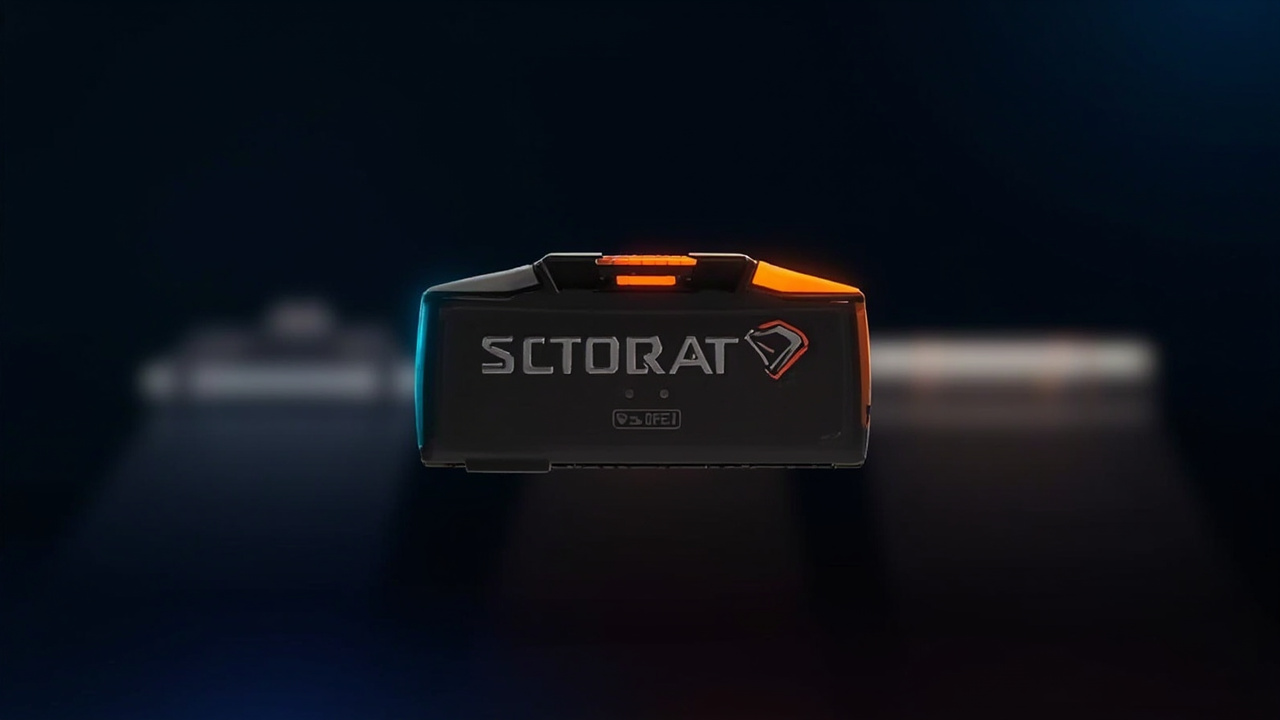
Thinking About Getting a Radar Detector? Here's What You Need to Know
<p>Radar detectors have come a long way from those clunky devices your dad used to mount on the dashboard. Today's models pack serious tech into compact packages, with features like GPS filtering, smartphone integration, and dual-antenna designs. But with prices ranging from budget-friendly to premium, how do you know which one actually delivers? Let's break it down.</p>

A Diver Stumbled Upon 50,000 Ancient Roman Coins — And It Might Lead to a Lost Shipwreck
<p>Imagine you're casually diving off the coast of Sardinia, enjoying the underwater views, when something metallic catches your eye in the seagrass. For one lucky diver in May 2023, that casual glance turned into one of the most exciting archaeological discoveries in recent years — tens of thousands of Roman coins, possibly linked to a hidden shipwreck. Let me tell you the whole story.</p>